
Essential Foundation Repair Products For Structural Reinforcement
Explore critical tools and materials designed to reinforce and stabilize your home's foundation effectively.
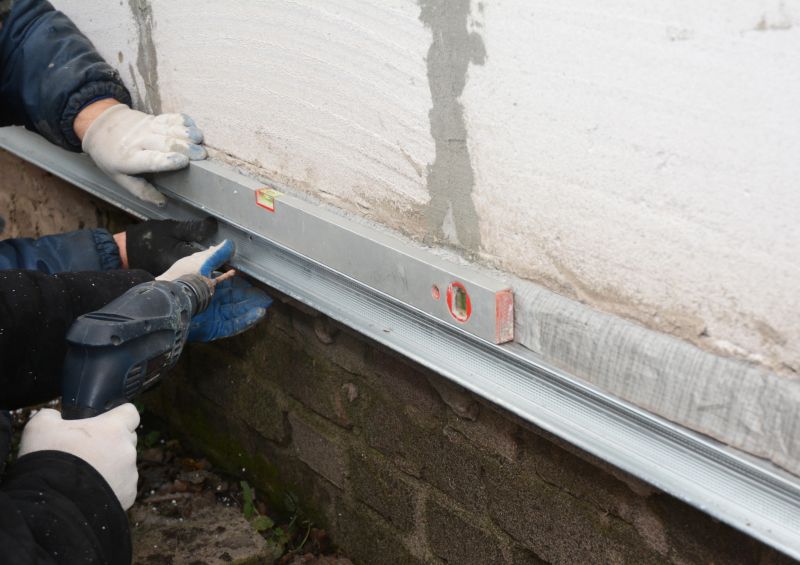 Foundation repairs are essential for maintaining the stability and safety of a structure, especially in areas prone to soil movement or moisture fluctuations. Various products are available to address different types of foundation issues, from minor cracks to major shifts. Selecting the right repair products requires understanding the specific needs of your foundation, the extent of the damage, and the soil conditions in Westfield, IN. Proper application and quality materials can help mitigate further deterioration and preserve the integrity of the building.
Top Overall Option
Polyurethane Foam Injection System
Polyurethane foam injection systems are versatile and commonly used for sealing foundation cracks and stabilizing minor shifts. They expand upon application, filling gaps and voids effectively while providing a quick and minimally invasive repair method. Suitable for a variety of foundation types, these systems are often favored for their ease of use and immediate sealing capabilities.
Types of Products For Foundation Repairs
Hydraulic Piering Systems
Used to lift and stabilize settling foundations by installing piers beneath the structure, providing support in cases of significant shifting.
Push Piers
A type of hydraulic pier designed for quick installation to lift and stabilize foundations experiencing settlement.
Helical Piers
Deep foundation support systems that are screwed into the ground to provide stable support in challenging soil conditions.
Slab Jacking Materials
Materials like mudjacking or polyurethane foam used to lift and level sunken concrete slabs around the foundation.
Epoxy Crack Fillers
Resins used to seal and reinforce small cracks in concrete or masonry foundations.
Carbon Fiber Reinforcement
Applied to repair and reinforce cracked or bowing walls, providing added strength and preventing further movement.
Underpinning Piles
Support piles driven deep into the ground to stabilize heavily settled foundations.
Soil Stabilization Products
Chemicals or grouts used to improve soil conditions around the foundation to reduce movement.
Waterproofing Membranes
Materials installed to prevent water intrusion that can weaken foundation walls and cause shifting.
Drainage Systems
Solutions like French drains or sump pumps designed to manage water flow and reduce soil erosion around the foundation.
Concrete Patching Compounds
Products used to repair surface damage and cracks on foundation slabs or walls.
Grouting Materials
High-strength grouts used to fill voids and stabilize soil beneath the foundation.
Polyurethane Foam Injection
Expanding foam used to fill voids and lift sunken slabs or stabilize soil.
Steel Support Beams
Structural beams used to reinforce and support compromised foundation walls or floors.
Masonry Sealants
Sealants designed to prevent water infiltration in brick or stone foundations.
Vapor Barriers
Materials installed to control moisture and reduce foundation deterioration caused by humidity.
Popular Choices
Widely used for quick sealing and stabilization of foundation cracks and voids.
Commonly selected for their ability to lift and stabilize settling foundations.
Popular for repairing bowing or cracked basement walls with minimal disruption.
Preferred methods for leveling sunken concrete slabs around the foundation.
Frequently installed to prevent water intrusion and protect foundation surfaces.
Effective in managing water flow and reducing soil erosion around foundations.
Popular for sealing small cracks and preventing water infiltration.
Often used for supporting and stabilizing compromised foundation walls.
Chosen for improving soil conditions and reducing foundation movement.
Commonly installed to manage groundwater and prevent basement flooding.
Used to seal and protect brick or stone foundation walls from water damage.
Popular for surface repairs on foundation slabs and walls.
Widely used to control moisture levels in crawl spaces and basements.
Chosen for deep support in heavily settled or unstable soils.
Effective at improving water management around foundations.
Convenient options for small crack repairs in concrete structures.
Foundation repair products range from simple crack fillers to advanced underpinning systems. It is important to assess whether minor cosmetic repairs are sufficient or if more robust solutions are necessary for structural stability. Consulting with a foundation specialist can help determine the most appropriate products and methods for your situation. Investing in high-quality repair materials can contribute to long-term durability and peace of mind.
In addition to choosing the right products, proper installation is crucial for effective results. Many foundation repair solutions are designed for professional application, but some DIY-friendly options are also available for minor repairs. Always follow manufacturer instructions carefully and consider professional assistance for complex issues. Regular inspections and maintenance can also help catch potential problems early, reducing the need for extensive repairs in the future.
Whether dealing with foundation cracks, settling, or shifting, there are numerous products tailored to different repair needs. Understanding the variety of options available can help homeowners and contractors make informed decisions that support the stability and safety of their structures over time.
Key Buying Considerations
- Assess the extent of foundation damage to determine appropriate repair solutions.
- Understand the soil conditions and moisture levels around your property.
- Choose products compatible with your foundation type, such as concrete, brick, or stone.
- Consider whether professional installation is recommended or if DIY options are suitable.
- Review the product's load-bearing capacity and suitability for structural support.
- Evaluate the ease of application and curing time for different repair materials.
- Check for compatibility with existing foundation materials to ensure proper adhesion.
- Prioritize products with proven durability and resistance to environmental factors.
- Determine if waterproofing or drainage solutions are necessary for your property.
- Consider the long-term maintenance requirements for the repair products used.
- Look for products that provide clear instructions and safety guidelines.
- Verify that repair materials meet local building codes and standards.
- Estimate the total cost, including materials, tools, and labor if applicable.
- Assess the potential for future repairs and whether the products allow for easy reapplication.
- Consult with foundation repair specialists for tailored recommendations.